


Davis Editions Music Publishing
South American Tango Suite (Brass Ensemble)
Product Information
Composer: Various composers
Arranger: Davis, Joshua
Ensemble: Brass Ensemble
Duration: Approx. 11 mins
SKU: DE 0013
Couldn't load pickup availability
About
This suite features 3 of the most iconic tangos by 4 masters of the (Argentinian) tango style. They are:
- Corralera (Milonga) Anselmo AEITA
- Pedacito De Cielo (Waltz) by Enrique FRANCINI & Hector STAMPONI
- El Choclo (Tango) by Angel VILLOLDO
Movements 1 & 3 of the suite were commissioned by the Berlin Philharmonic Brass Ensemble in 2015. Movement 2 was created for performances by the West Australian Symphony Orchestra Brass in 2019.
Each movement can be enjoyed on its own or as part of the larger suite, making it perfect for any occasion. Get ready to dance to the passionate and enthralling rhythms of the tango!
A version for brass quintet is also available (DE 0012) at Davis Editions.
Instrumentation
Featured product
Shop new release products and popular items
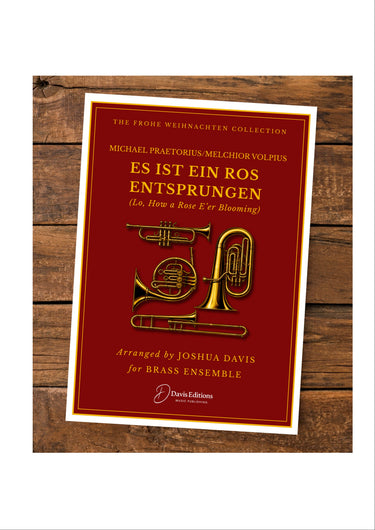
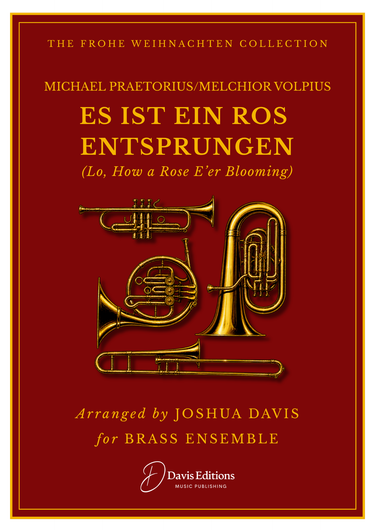
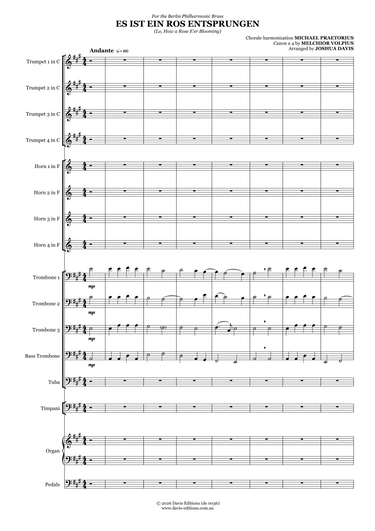
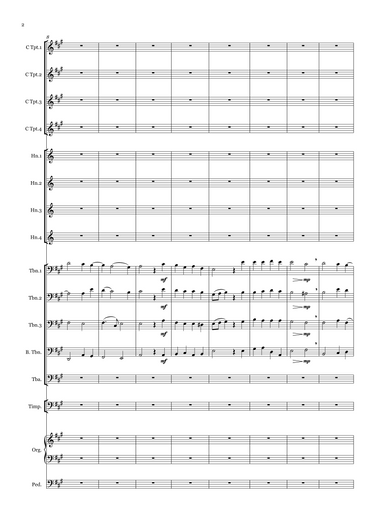
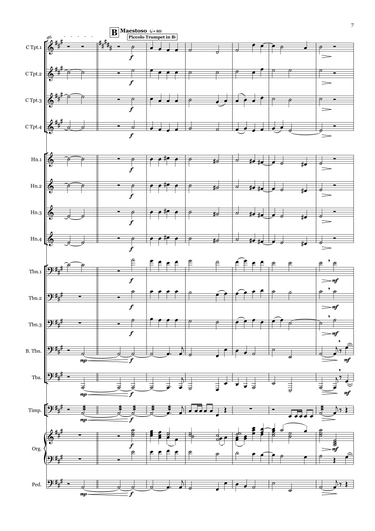
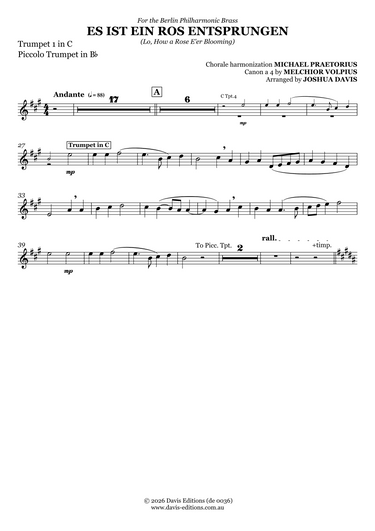
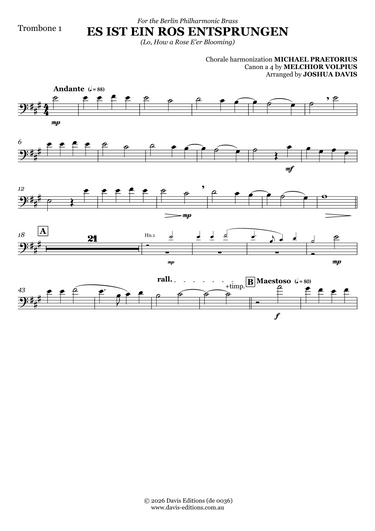
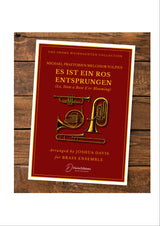
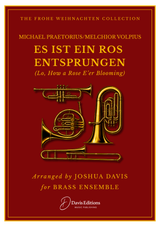
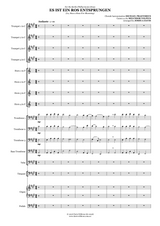
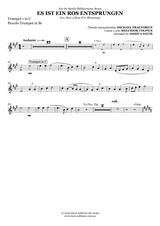
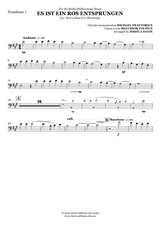
Es Ist ein Ros Entsprungen - Brass Ensemble
Es Ist ein Ros Entsprungen (Lo, How a Rose E’er Blooming)
Lo, how a Rose e'er blooming
From tender stem hath sprung!
Of Jesse's lineage coming
As men of old have sung.
It came, a flower bright,
Amid the cold of winter
When half-gone was the night.
Isaiah 'twas foretold it,
The Rose I have in mind:
With Mary we behold it,
The virgin mother kind.
To show God's love aright
She bore to men a Savior
When half-gone was the night.
This Advent and Christmas hymn, possibly dating to the fifteenth century, draws textually from Isaiah's prophecies. The "rose" emerging from Jesse's stem symbolizes Christ's birth as the source of life through death. Michael Praetorius published this beloved Advent hymn in 1609, directing its "rose" symbolism toward Christ's incarnation rather than Mary. Theodore Baker later translated the first two verses into English around 1894. The arrangement balances peaceful melody with subtle melancholy, reflecting the duality of Christmas—rejoicing in Christ's incarnation whilst acknowledging His sacrifice and promised return.
Melchior Vulpius, a contemporary of Praetorius composed a four-voice canon based upon the same melody. Though more concise in scope, the Vulpius canon functions effectively as a distinguished prelude to Praetorius's more expansive composition.
As recorded on the 2025 album release from the Berlin Philharmonic Brass Ensemble, "Frohe Weihnachten!"
Instrumentation