
Davis Editions Music Publishing
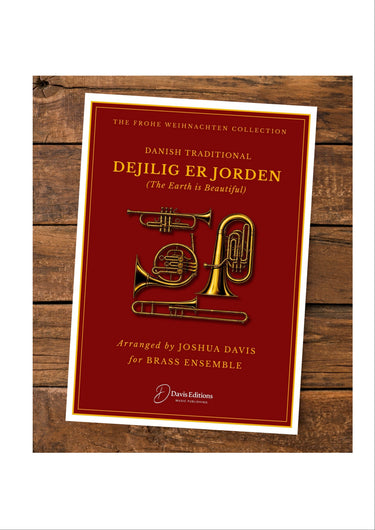
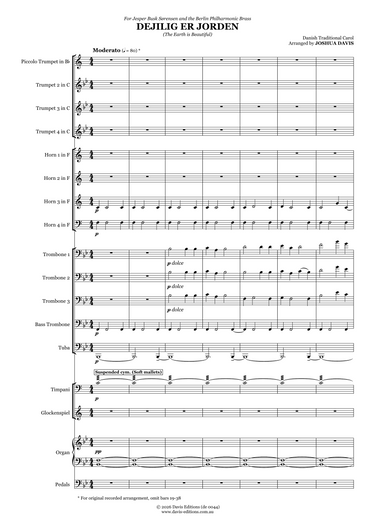
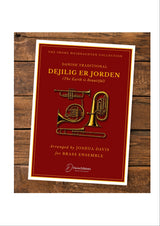
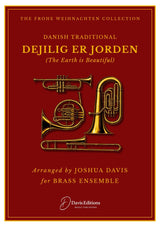
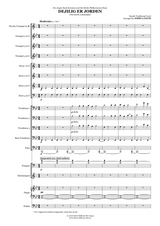
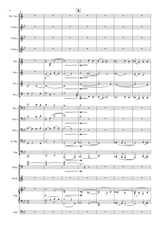
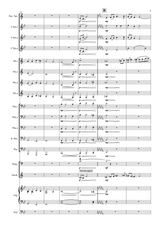
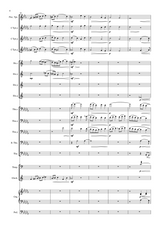
Dejlig er Jorden - Brass Ensemble
Product Information
Composer: Traditional (Denmark)
Arranger: Davis, Joshua
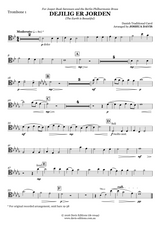
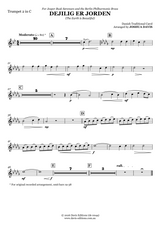
Ensemble: Large Brass Ensemble and Percussion
Duration: Approx. 3 mins
SKU: DE 0042
Couldn't load pickup availability
![]() Dejlig er Jorden (The Earth is Beautiful)
![]()
Fair is creation, Fairer God’s heaven,
Blest is the marching pilgrim throng.
Onward through lovely Regions of beauty
Go we to Paradise with song.
Ages are coming, Ages are passing
Nations arise and disappear.
Never the joyful Message from heaven
Wanes through the soul’s brief sojourn here.
Angels proclaimed it Once to the shepherds,
Henceforth from soul to soul it passed:
Unto all people Peace and rejoicing.
Us is a Savior born at last.
"Schönster Herr Jesu" is a 17th-century German hymn, widely known in English as "Fairest Lord Jesus" or "Beautiful Savior". Written by an anonymous author, the text was first published in 1677 and is traditionally sung to a Silesian folk tune. The hymn focuses on praising Jesus Christ, celebrating Him as far more beautiful than the wonders of nature, the sun, and the stars.
The hymn traveled north to Denmark, where Bernhard Ingemann created Dejlig er jorden ("The World is Wonderful") in 1850. While maintaining its pilgrimage theme, this Danish adaptation transformed the piece into a beloved Christmas carol.
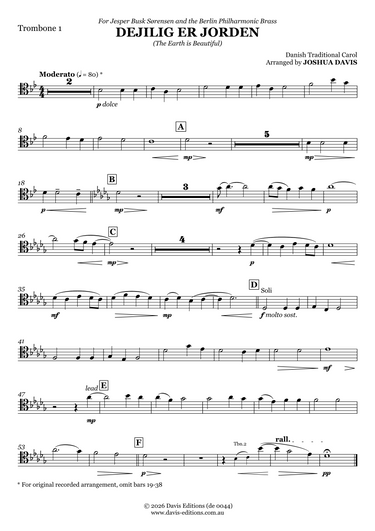
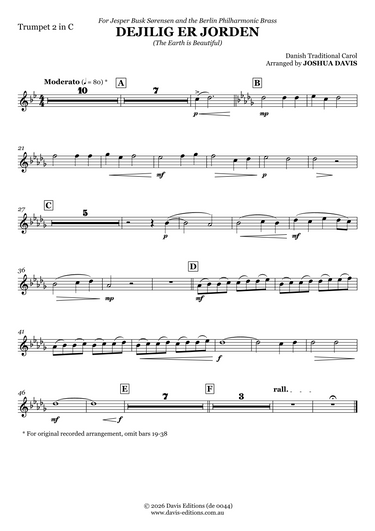
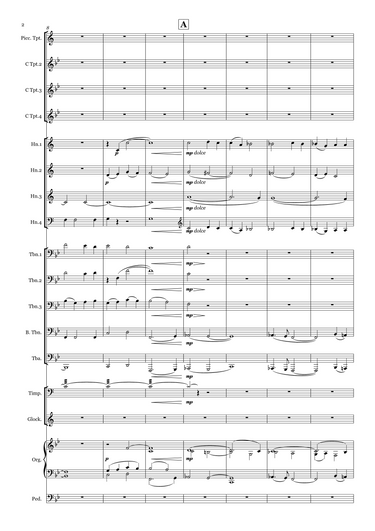
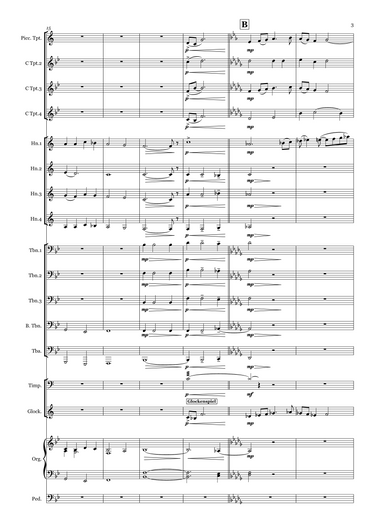
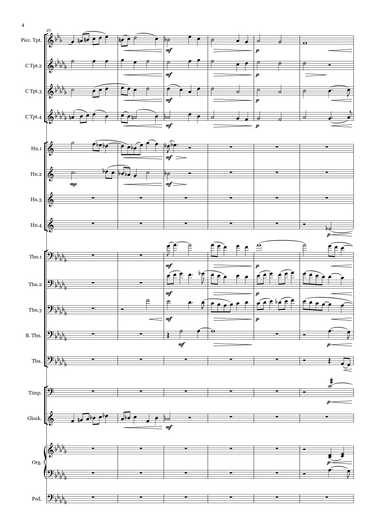
Note: This published arrangement has been expanded, adding another verse. The original performance by The Berlin Philharmonic Brass for their 2023 family Christmas concert was necessarily shorter for a young audience. There is an option within the arrangement to omit the new material if desired. As recorded on the 2025 album release from the Berlin Philharmonic Brass Ensemble, "Frohe Weihnachten!"
Instrumentation
Featured product
Shop new release products and popular items
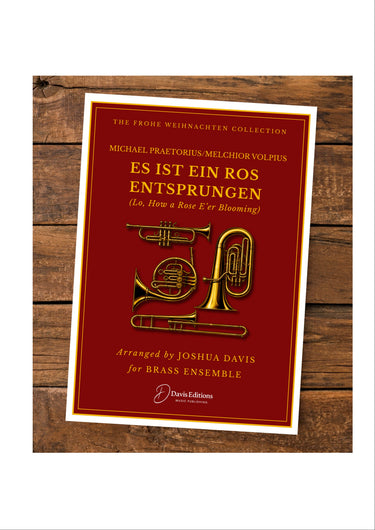
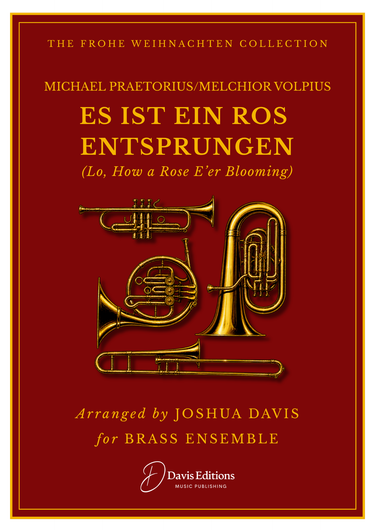
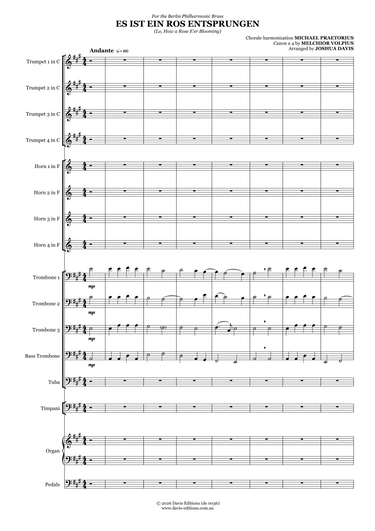
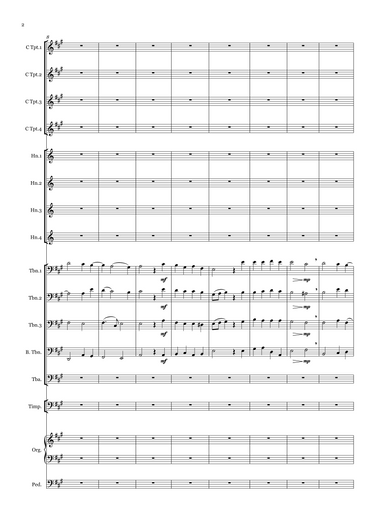
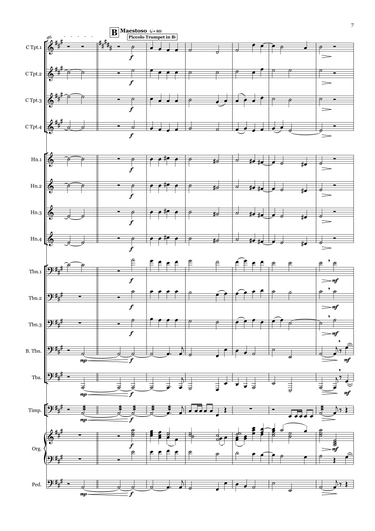
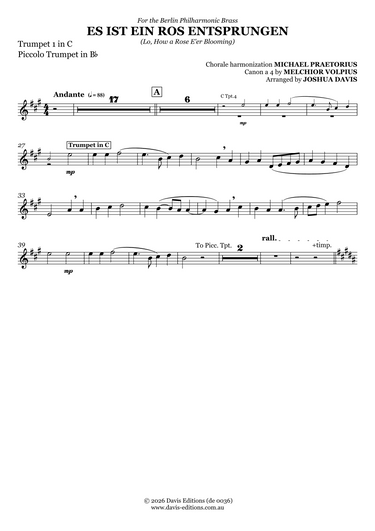
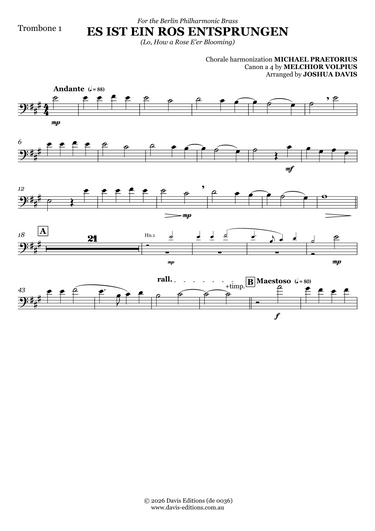
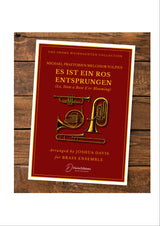
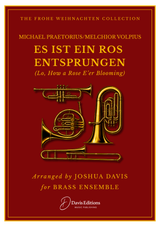
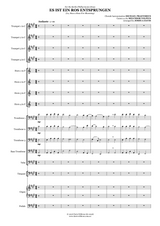
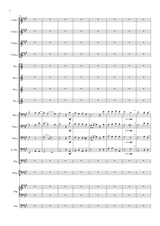
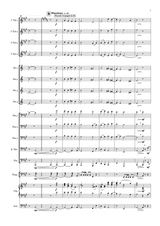
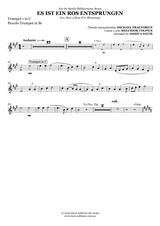
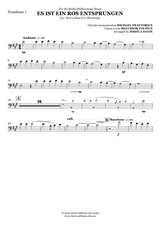
Es Ist ein Ros Entsprungen - Brass Ensemble
Es Ist ein Ros Entsprungen (Lo, How a Rose E’er Blooming)
Lo, how a Rose e'er blooming
From tender stem hath sprung!
Of Jesse's lineage coming
As men of old have sung.
It came, a flower bright,
Amid the cold of winter
When half-gone was the night.
Isaiah 'twas foretold it,
The Rose I have in mind:
With Mary we behold it,
The virgin mother kind.
To show God's love aright
She bore to men a Savior
When half-gone was the night.
This Advent and Christmas hymn, possibly dating to the fifteenth century, draws textually from Isaiah's prophecies. The "rose" emerging from Jesse's stem symbolizes Christ's birth as the source of life through death. Michael Praetorius published this beloved Advent hymn in 1609, directing its "rose" symbolism toward Christ's incarnation rather than Mary. Theodore Baker later translated the first two verses into English around 1894. The arrangement balances peaceful melody with subtle melancholy, reflecting the duality of Christmas—rejoicing in Christ's incarnation whilst acknowledging His sacrifice and promised return.
Melchior Vulpius, a contemporary of Praetorius composed a four-voice canon based upon the same melody. Though more concise in scope, the Vulpius canon functions effectively as a distinguished prelude to Praetorius's more expansive composition.
As recorded on the 2025 album release from the Berlin Philharmonic Brass Ensemble, "Frohe Weihnachten!"
Instrumentation