
Davis Editions Music Publishing
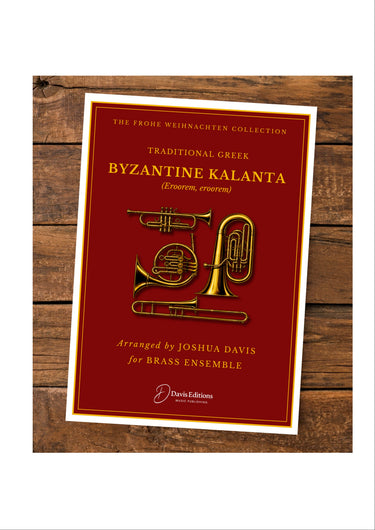
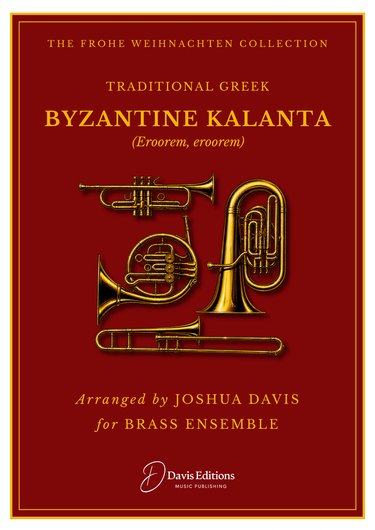
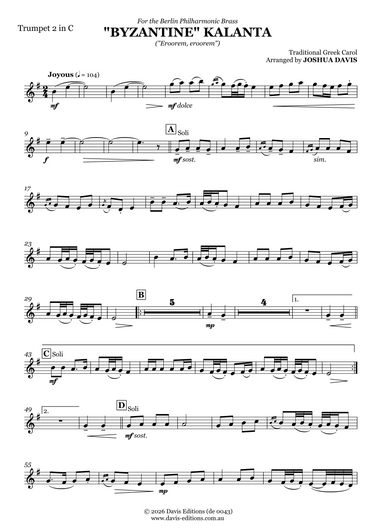
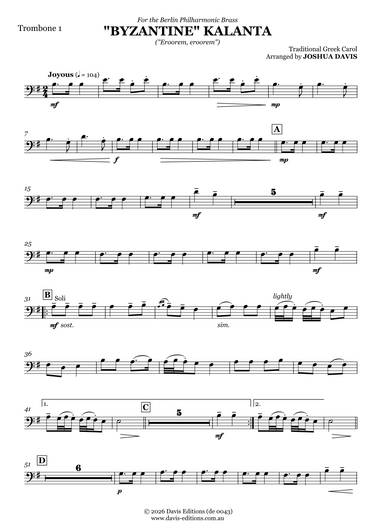
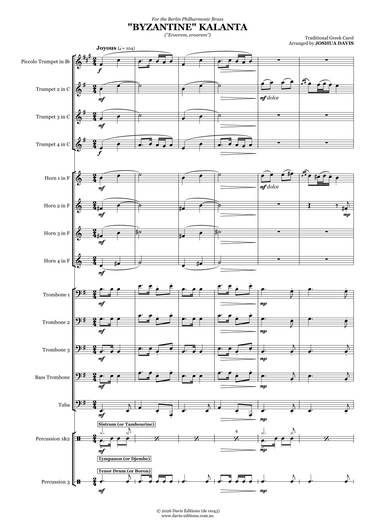
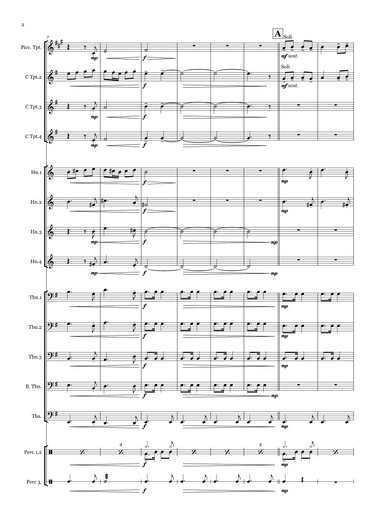
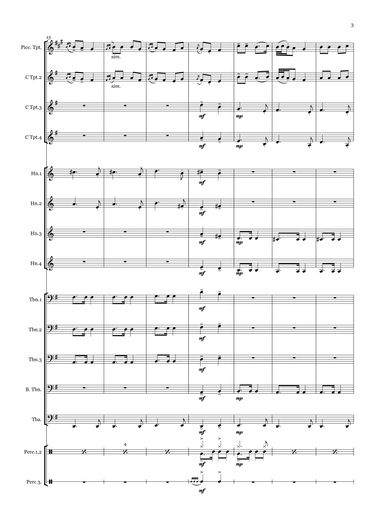
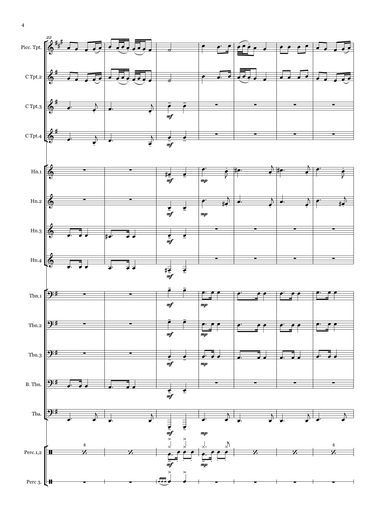
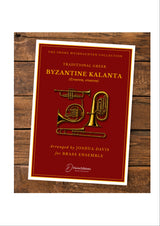
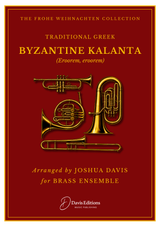
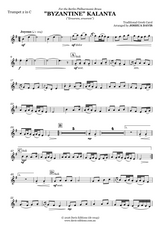
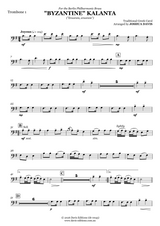
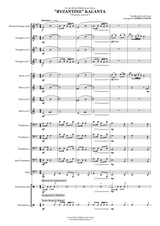
Byzantine Kalanta (Eroorem, eroorem) - Brass Ensemble
Product Information
Composer: Traditional (Byzantium/Greece)
Arranger: Davis, Joshua
Ensemble: Large Brass Ensemble and Percussion
Duration: Approx. 2 1/2 mins
SKU: DE 0043
Couldn't load pickup availability
Traditional Byzantine Christmas Carol (12-14th century AD)
Άναρχος Θεός καταβέβηκε και εν τη Παρθένω κατώκησε.
Ερουρέμ, ερουρέμ, ερουρερουρέμ — χαίρε, Δέσποινα.
Βασιλεύς των όλων και Κύριος, ήλθε τον Αδάμ αναπλάσασθαι.
Άγιος, άγιος, άγιος υπάρχεις, και Κύριος.
Γηγενείς σκιρτάτε και χαίρετε, τάξεις των Αγγέλων ευφραίνονται.
Ερουρέμ, ερουρέμ, ερουρερουρέμ — χαίρε, Δέσποινα.
The Unbegun God has descended and has dwelt in the virgin
Eroorem, rejoice, O Spotless One
The King of all and the Lord has come to renew Adam
Holy, Holy, Holy, you are Holy and you are Lord
Rejoice and leap for joy, O people of the earth the ranks of angels rejoice
Eroorem, rejoice, O Spotless One
Byzantine Kalanta stands as one of Greece's most cherished Christmas carols, a living testament to 12th–14th century Byzantine musical tradition. This sacred composition centres on the joyful refrain "Eroorem"—a defining feature of Greek holiday celebrations that has resonated through centuries of family gatherings and community celebrations. Historically performed by children as they visited homes throughout Greece, the carol was traditionally sung either a cappella or accompanied by the gentle chime of a triangle. This intimate, accessible approach made it a cornerstone of Greek Christmas culture, passed down through generations as both a spiritual expression and a social ritual. The text weaves together profound theological meaning with accessible melody, inviting performers and audiences alike to connect with Greece's rich spiritual heritage.
Instrumentation
Featured product
Shop new release products and popular items
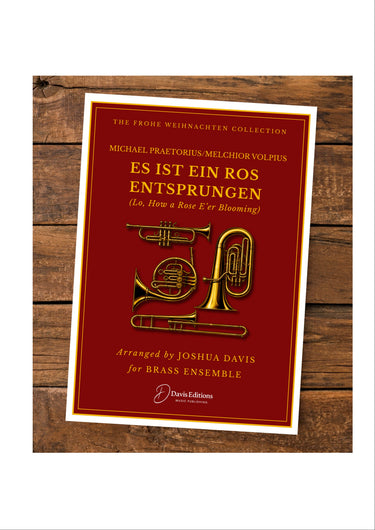
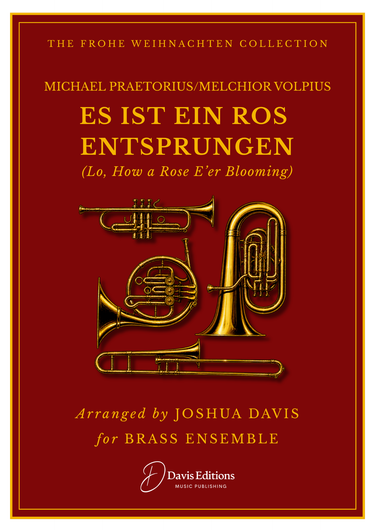
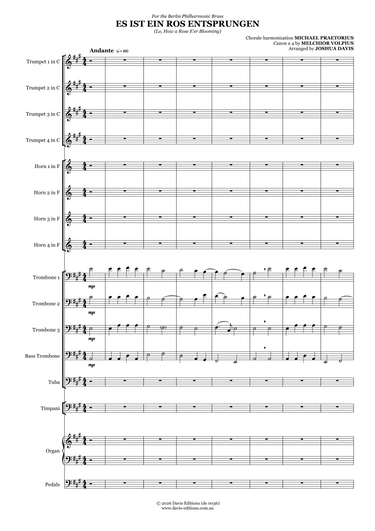
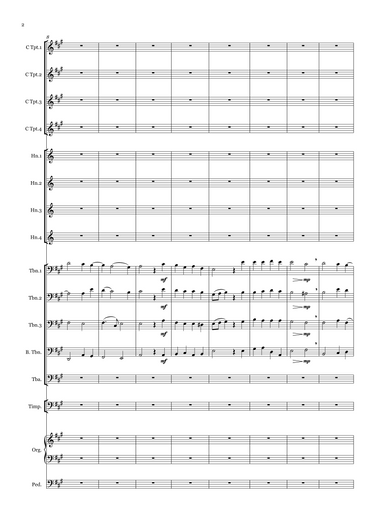
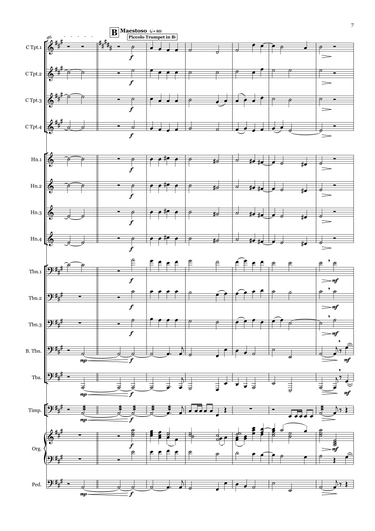
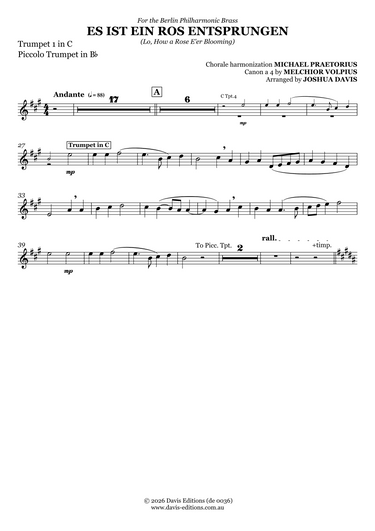
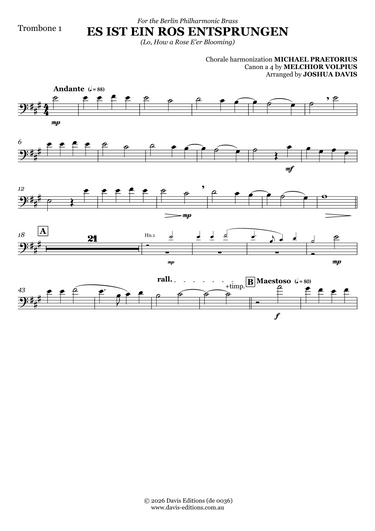
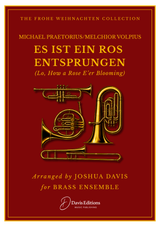
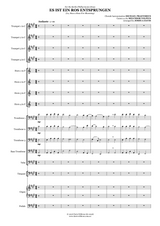
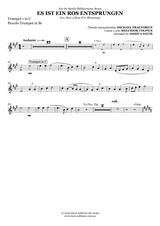
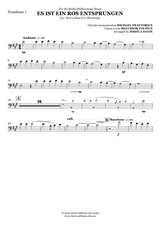
Es Ist ein Ros Entsprungen - Brass Ensemble
Es Ist ein Ros Entsprungen (Lo, How a Rose E’er Blooming)
Lo, how a Rose e'er blooming
From tender stem hath sprung!
Of Jesse's lineage coming
As men of old have sung.
It came, a flower bright,
Amid the cold of winter
When half-gone was the night.
Isaiah 'twas foretold it,
The Rose I have in mind:
With Mary we behold it,
The virgin mother kind.
To show God's love aright
She bore to men a Savior
When half-gone was the night.
This Advent and Christmas hymn, possibly dating to the fifteenth century, draws textually from Isaiah's prophecies. The "rose" emerging from Jesse's stem symbolizes Christ's birth as the source of life through death. Michael Praetorius published this beloved Advent hymn in 1609, directing its "rose" symbolism toward Christ's incarnation rather than Mary. Theodore Baker later translated the first two verses into English around 1894. The arrangement balances peaceful melody with subtle melancholy, reflecting the duality of Christmas—rejoicing in Christ's incarnation whilst acknowledging His sacrifice and promised return.
Melchior Vulpius, a contemporary of Praetorius composed a four-voice canon based upon the same melody. Though more concise in scope, the Vulpius canon functions effectively as a distinguished prelude to Praetorius's more expansive composition.
As recorded on the 2025 album release from the Berlin Philharmonic Brass Ensemble, "Frohe Weihnachten!"
Instrumentation